NowSky Blog
What to look for tonight and where, how to find constellations and planets, and what black holes and neutron stars really are — explained with astronomy data and simulator screens.
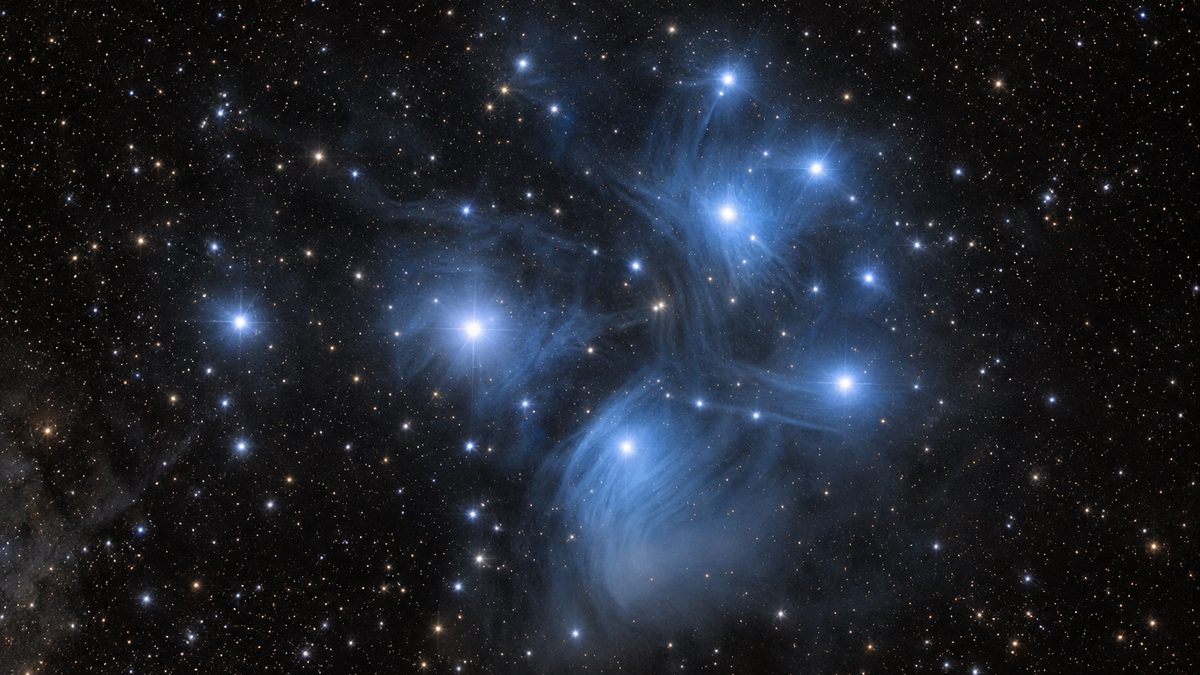 [Stargazing] The Pleiades star cluster — how many stars can you see? How to find the Pleiades star cluster (M45) on winter evenings, why most people count six "Seven Sisters", what binoculars add, and how far away it really is. · 6 min
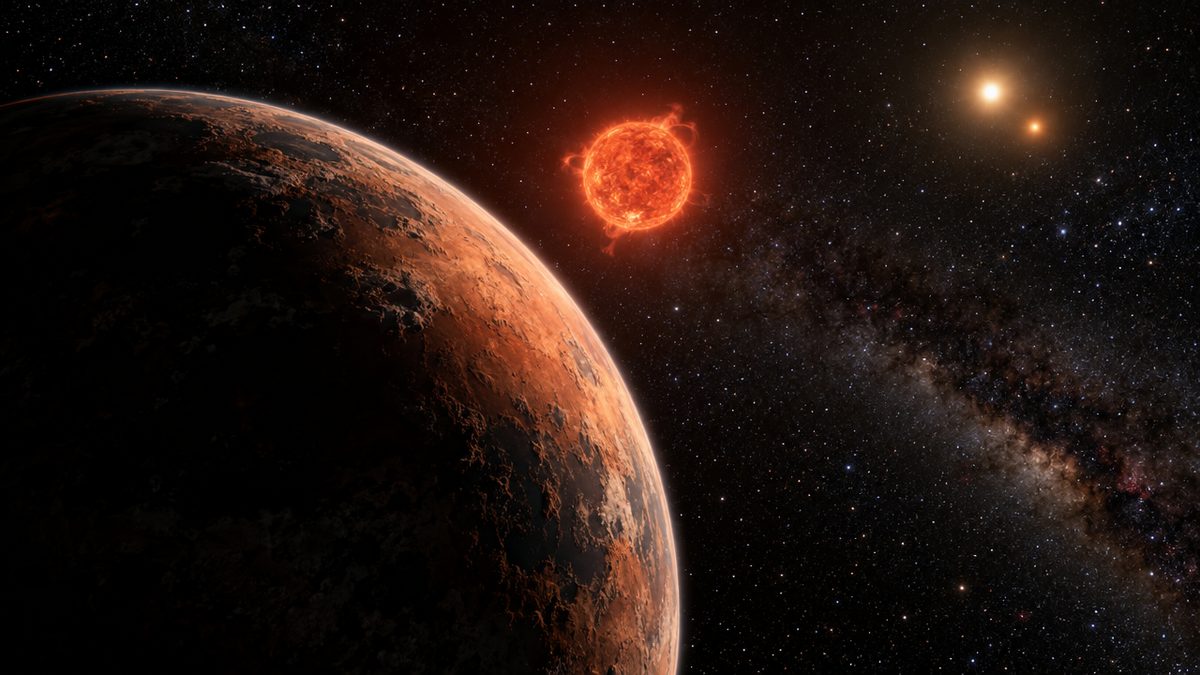 [Space facts] Every star within 10 light-years — the nearest stars to the Sun and their planets The nearest stars to the Sun, all nine systems within 10 light-years, with distances, star types, confirmed exoplanets and which ones you can see with the naked eye. · 7 min
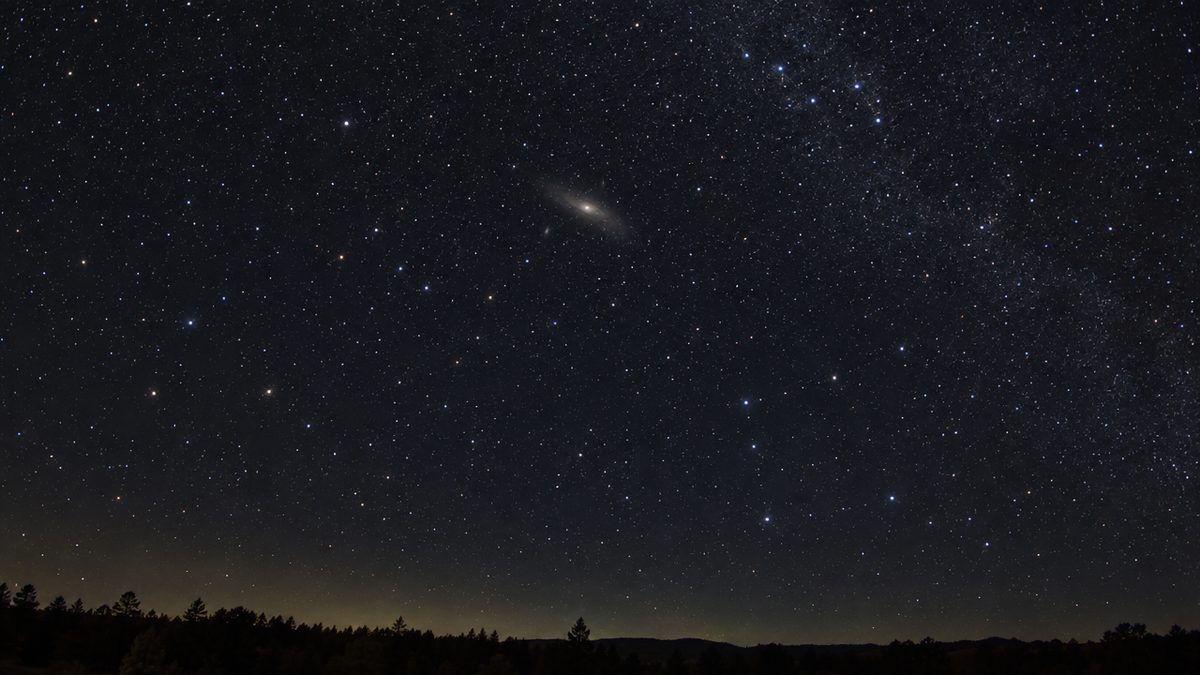 [Stargazing] How to find the Andromeda Galaxy with the naked eye — star-hopping from the Great Square How to find the Andromeda Galaxy by star-hopping from Pegasus or Cassiopeia, what it looks like by eye and in binoculars, and when to look. · 7 min
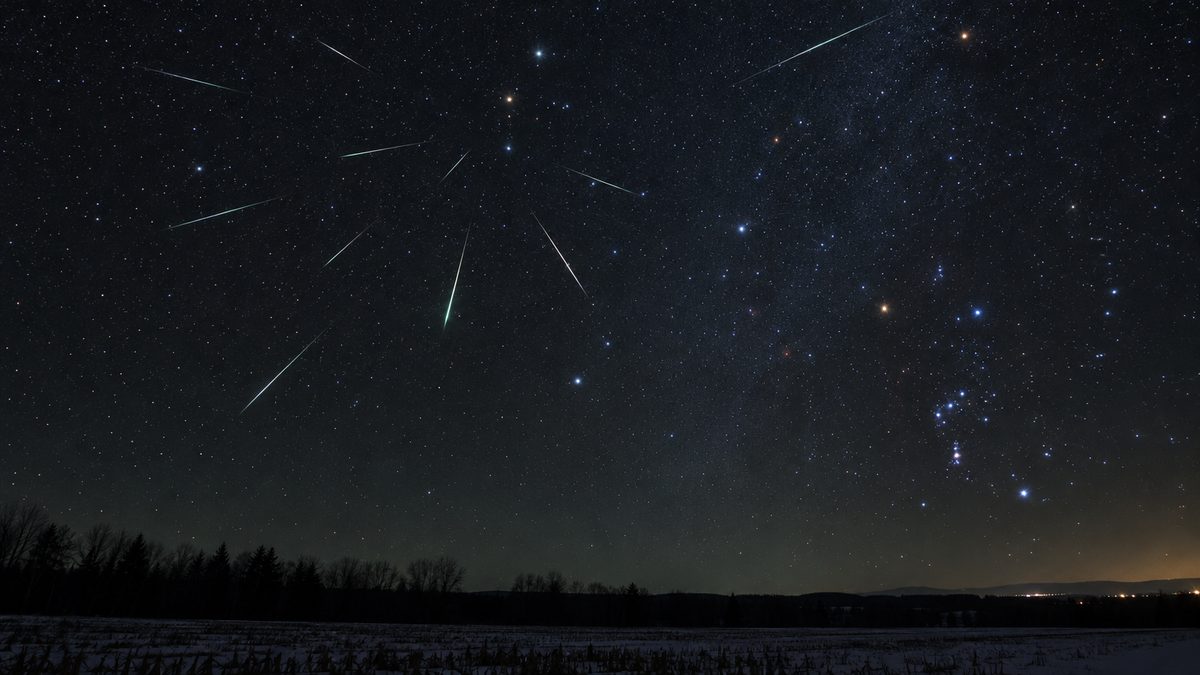 [Stargazing] Meteor shower calendar 2026–2027 and how to watch one A meteor shower calendar for late 2026 to 2027 with moonlight conditions, plus how to watch a meteor shower — radiant, best hours, where to look and what to bring. · 7 min
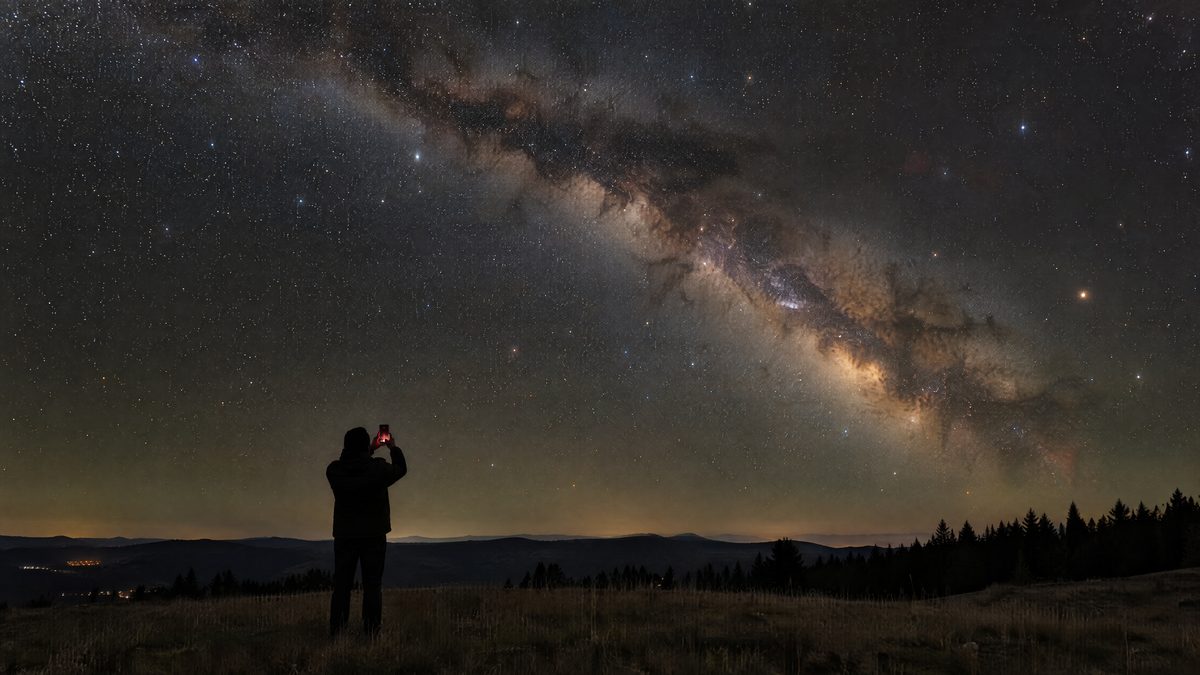 [Sky apps & sites] How to choose a stargazing app or website — what actually matters A practical guide to choosing a stargazing app or website — star data accuracy, browser versus install, offline use, time controls, AR, cost and learning. · 6 min
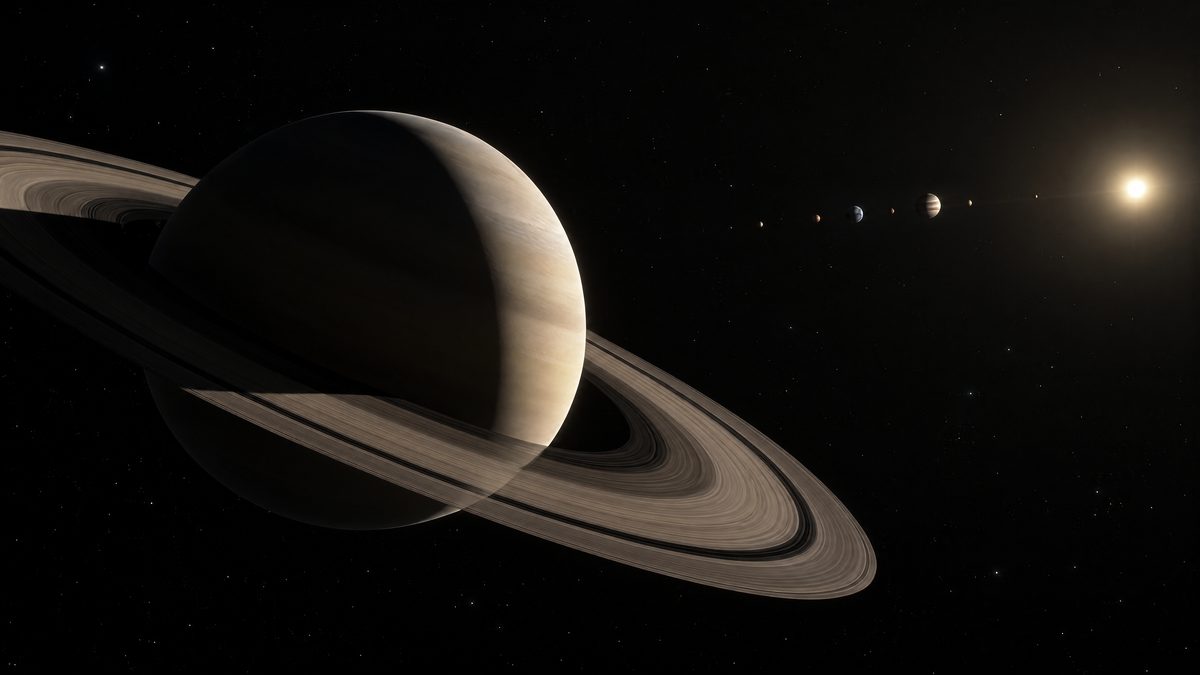 [Solar system & orbits] What watching planetary orbits teaches you — from Kepler's laws to retrograde motion Watching planetary orbits from above explains Kepler's laws, why Venus switches between evening and morning, and how retrograde motion and oppositions arise. · 7 min
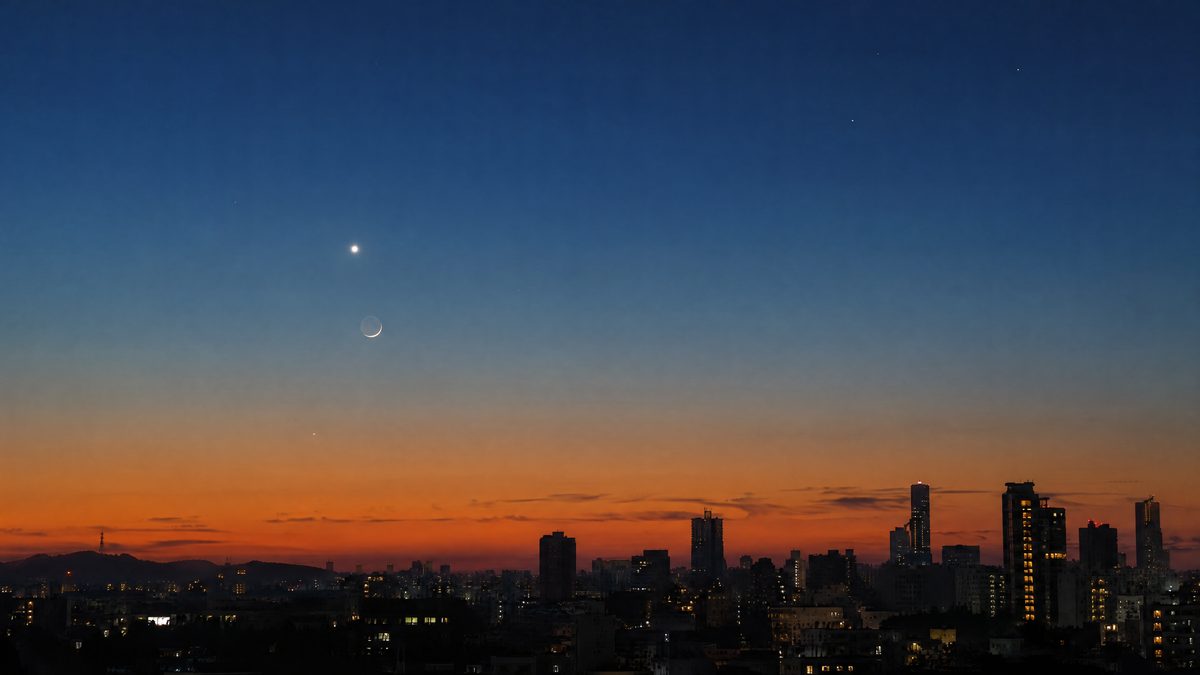 [Planet watching] 2026–2027 Mercury and Venus observing calendar — when and where to look Mercury and Venus dates for late 2026 to mid-2027 in UTC — Venus's switch to the morning sky, five Mercury chances, and which ones favour each hemisphere. · 6 min
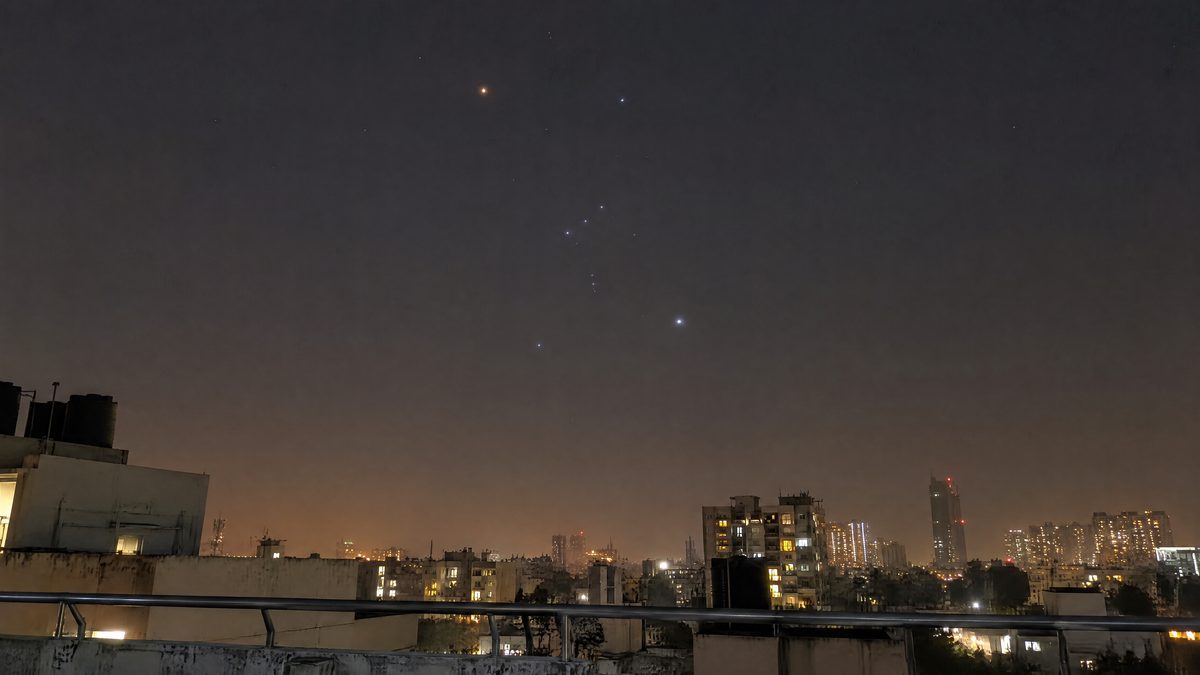 [Stargazing] How to find constellations from a light-polluted city — a first-night plan How to find constellations from a light-polluted city: which stars survive the glow, using bright stars, planets and the Moon as anchors, and a first-night plan. · 7 min
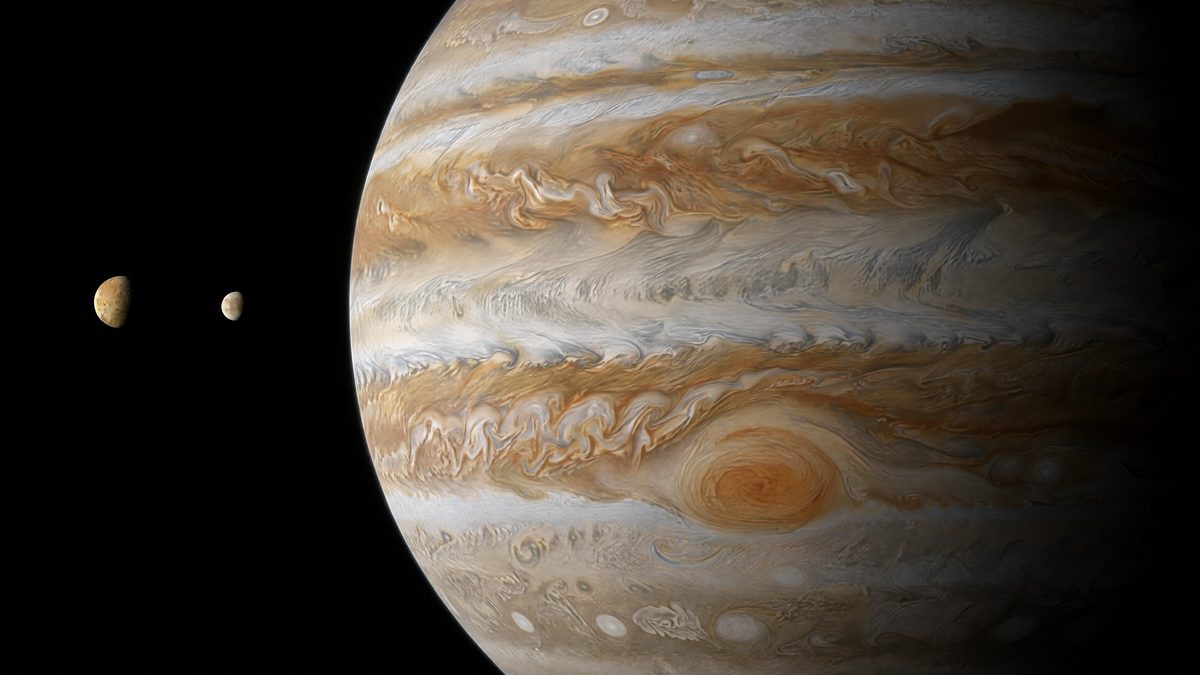 [Planet watching] Jupiter observing for beginners — naked eye, binoculars and a small telescope A beginner's guide to Jupiter observing — finding it by eye, spotting the Galilean moons in binoculars, and the best months around the February 2027 opposition. · 6 min
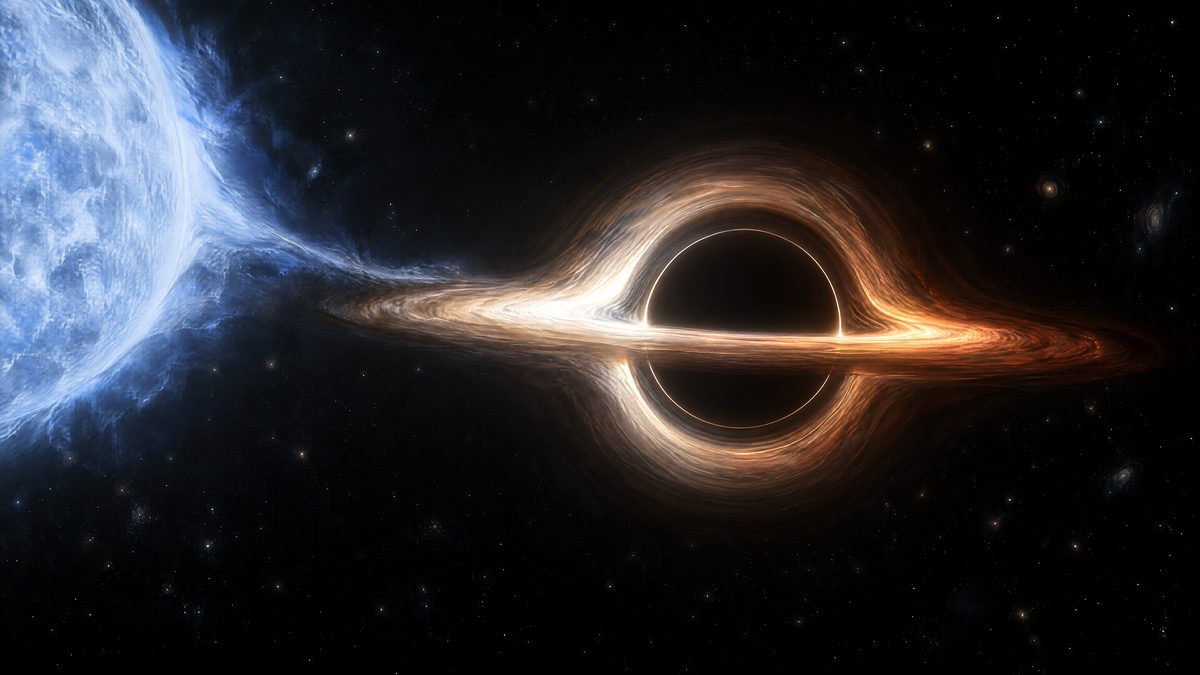 [Space facts] Types of black holes, explained — from stellar-mass to supermassive The types of black holes explained — stellar-mass, intermediate, supermassive — with Cygnus X-1 and Sagittarius A*, how we find them, and neutron stars. · 6 min